In today’s dynamic business environment, companies face an array of risks, from shifts in the market to critical strategic decisions. Surprisingly, many still regard risk management as something handled solely by departments like risk control or internal audit, rather than recognizing it as a strategic approach that should engage the entire organization.
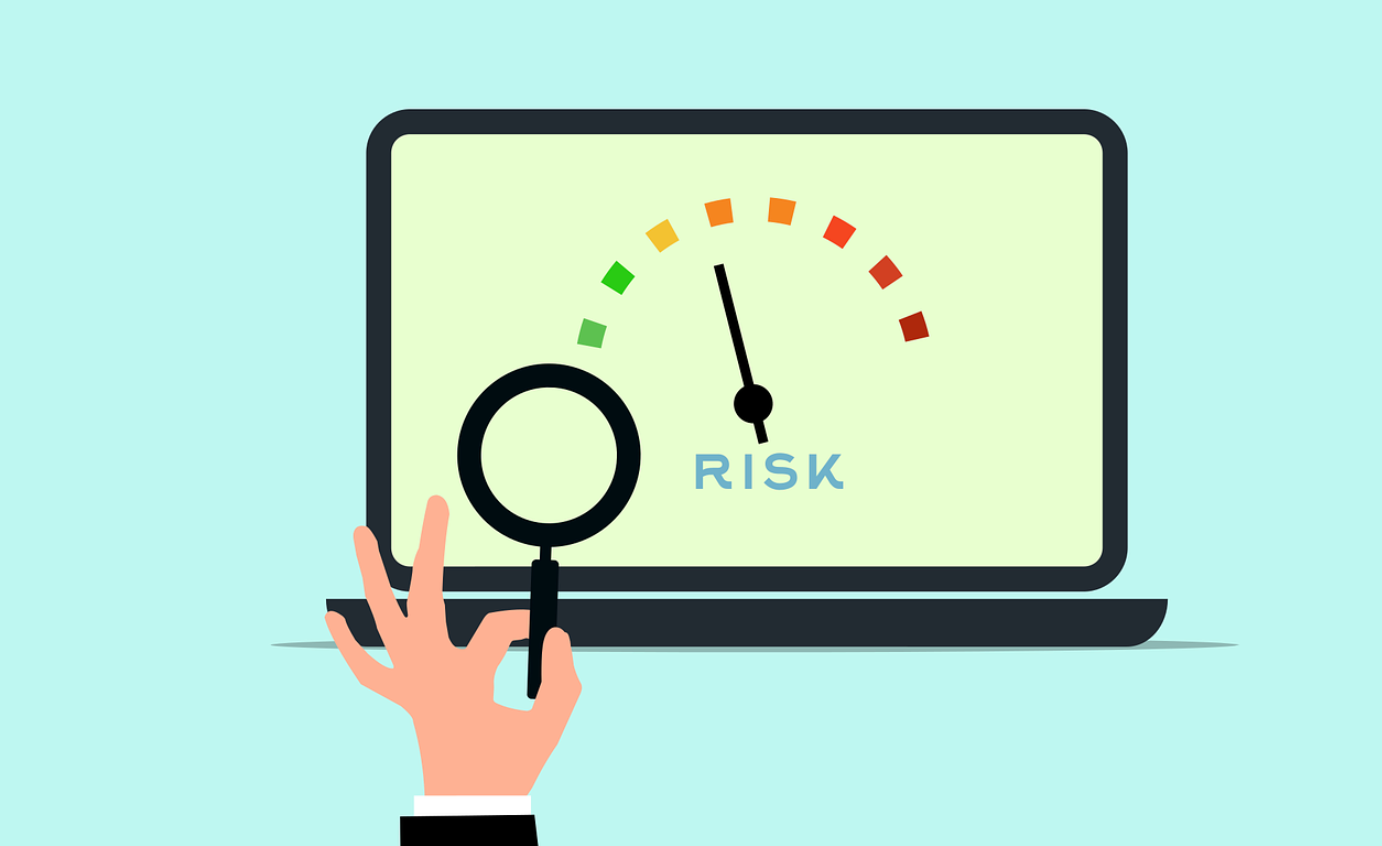
Every Role is a Risk Manager
“It’s the responsibility of the risk management department, not ours!” This mindset is not uncommon in many organizations. However, the reality is that every position plays a role in risk management and must share the responsibility for managing risks.
If a department or role does not involve any risk-related matters, its relevance and importance will naturally diminish.
Therefore, the greater the responsibility for managing risks, the more prominent the role of a function, as it directly impacts the achievement of key business objectives. In an organization, risk should not be confined to specific departments; it must be viewed as a collective responsibility. Every employee should understand their role in the company’s risk prevention efforts, fostering a culture of risk management that involves everyone. This culture not only helps reduce the likelihood of potential risks but also enhances the organization’s ability to adapt to changes in the external environment.
Three Perspectives on How Enterprises Approach Risk
Enterprises approach risk from different perspectives, which can be understood through the viewpoints of risk managers, business managers, and decision-makers.
1. Risk Manager’s Perspective
The perspective of risk managers is centered around risk itself. They not only identify risks that could lead to potential losses but also recognize opportunities within risks, risks within opportunities, and opportunities themselves.
The primary focus of risk managers is value protection. Through effective risk management, they aim to safeguard the enterprise’s value while simultaneously creating new value.
2. Business Manager’s Perspective
The perspective of business managers is centered around opportunities. They should not only identify opportunities for generating profit but also recognize the risks within those opportunities, the opportunities within the risks, and the risks themselves.
The main focus of business managers is value creation. They aim to achieve the company’s revenue goals by identifying and leveraging opportunities.
3. Decision-Maker or Manager’s Perspective
Decision-makers or managers adopt a balanced perspective of costs and benefits, considering the big picture. They cannot solely pursue opportunities while ignoring risks, nor can they avoid risks at the expense of opportunities.
At the macro level, there are no purely opportunities or purely risks. However, at the micro level, there are indeed opportunities that purely create profits and risks that purely lead to losses.
The Purpose of Business Development
The ultimate goal of business development is to achieve value. While some may argue that the goal of a business is to create value, the more accurate statement is that a business should achieve value on the foundation of value creation and value protection.
Businesses may be oriented towards value creation or value protection at different stages, adjusting based on changes in the external environment. The driving force behind business development comes from taking on a reasonable amount of risk to achieve fair returns, rather than aggressively chasing opportunities or excessively avoiding risks.
In business management, the biggest risk is missing out on opportunities, while the greatest opportunities require managing risks. Therefore, risk management needs to be defined with a more comprehensive perspective, supporting value creation from the business manager’s point of view, and supporting the achievement of business value from the manager or decision-maker’s perspective.
Strategic Thinking with Full Participation
Enterprise risk management needs to break away from symmetry and use asymmetric thinking to drive business development. Therefore, risk management from different perspectives not only refers to the viewpoints of different functions but also encompasses different thinking approaches within a single function, or even a broader, universally applicable cognitive mindset.
Businesses should understand risk from a holistic perspective, achieving comprehensive risk management through the participation and collaboration of all employees. Only through collective effort can a company better adapt to change, tackle challenges, and achieve sustainable development.
Conclusion
In this era where risks and opportunities coexist, strategic thinking with full participation will become a key factor for a company’s success.