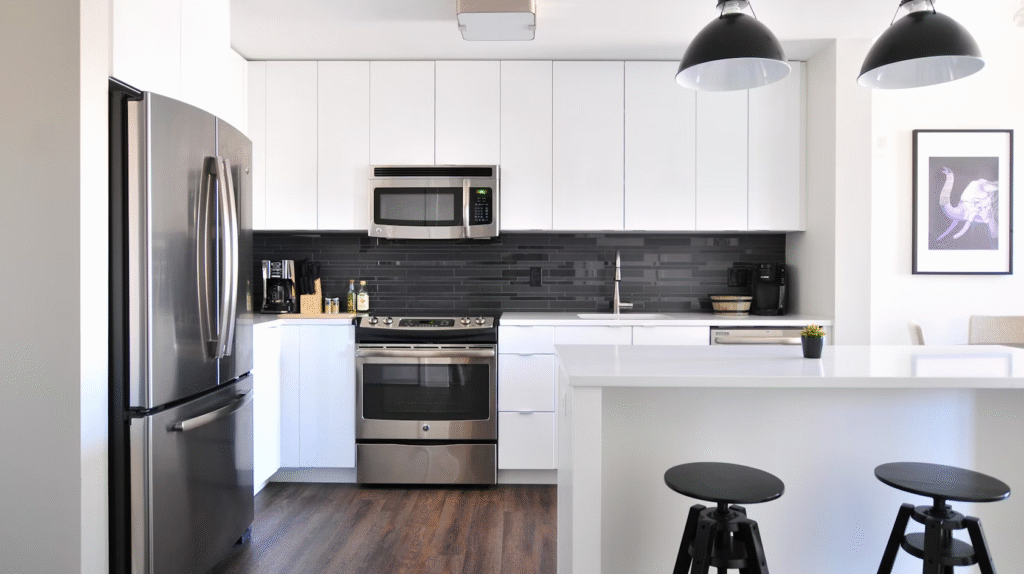
In modern homes, the kitchen is no longer just a space for cooking—it has become a central hub where family members connect, communicate, and share their lives. With changing lifestyles and rising aesthetic expectations, kitchen remodeling has increasingly become a crucial way to enhance both living quality and property value. This article provides a comprehensive look at the importance of kitchen remodeling, the process involved, its key benefits, and essential considerations when choosing the right remodeling plan.
What Is Kitchen Remodeling?
Kitchen remodeling refers to the comprehensive or partial upgrade of an existing kitchen space through structural changes, functional optimization, and visual design enhancements. It not only involves replacing hardware such as cabinets, appliances, and countertops but also includes reconfiguring the layout to improve both efficiency and aesthetics.
For example:
- If the kitchen has poor natural lighting or a confusing workflow, opening up the space or changing the layout can significantly improve its usability.
- If the cabinets are outdated and appliances are obsolete, upgrading to modern equipment can enhance the kitchen’s functionality and energy efficiency.
Who Needs Kitchen Remodeling?
Kitchen remodeling is suitable for various types of households, especially in the following situations:
- Residents of older homes: When kitchen facilities are outdated and inconvenient to use, a full upgrade is often necessary.
- Homeowners preparing to sell: A remodeled kitchen can significantly increase a property’s resale value and market appeal.
- Cooking enthusiasts: Those who love to cook may want a fully functional and well-organized kitchen to enhance their culinary experience.
- Families with changing needs: For example, with the arrival of new family members or after children move out, remodeling can help adapt the kitchen to new lifestyle requirements.
- Design-conscious homeowners: Those who value aesthetics may pursue a cohesive home style and elevate the kitchen’s ambiance and user experience.
Key Benefits of Kitchen Remodeling
- Enhances Quality of Life: A more efficient layout, better lighting, and fully equipped appliances make kitchen tasks smoother and more enjoyable.
- Increases Property Value: A modern, well-designed kitchen often significantly boosts the overall market value of a home.
- Promotes Energy Efficiency: Upgrading to energy-saving appliances, faucets, and lighting fixtures helps reduce energy consumption and supports eco-friendly living.
- Personalized Design: Tailor the kitchen layout and features to suit your lifestyle and create your ideal cooking space.
- Improves Storage Capacity: Optimized storage solutions keep the kitchen organized and clutter-free.
Key Steps in Kitchen Remodeling
- Needs Assessment and Budget Planning
Define your specific requirements for kitchen functionality, aesthetics, and style, and set a realistic budget. - Space Measurement and Layout Design
Accurately measure the kitchen dimensions and design functional zones based on practical needs, such as preparation, cooking, and cleaning areas. - Material and Appliance Selection
Choose durable, attractive, and easy-to-clean materials for countertops and cabinets, and pair them with energy-efficient kitchen appliances. - Construction and Supervision
Work with a professional team to ensure the renovation follows the design plan closely and address any issues that arise during construction. - Inspection and Maintenance
Conduct a thorough inspection after completion and learn proper maintenance practices to keep the kitchen in excellent condition over time.
Important Considerations for Kitchen Remodeling
- Prioritize Functionality: Don’t focus solely on visual appeal; ensure convenience and a logical workflow in the kitchen layout.
- Ventilation and Lighting: Design an effective combination of natural ventilation and artificial lighting to enhance comfort and safety.
- Plumbing and Electrical Layout: Make sure water pipes, gas lines, and electrical circuits meet national standards and are professionally designed before construction.
- Fire and Moisture Resistance: Choose materials that provide both fire resistance and moisture protection to ensure kitchen safety.
- Work with Reliable Professionals: Whether it’s a design firm or construction team, select partners with a strong reputation and proven experience.
Kitchen Remodeling Costs and Returns
The cost of kitchen remodeling depends on several factors, including:
- Scope of Renovation (partial vs. full remodel)
- Quality of Materials and Appliances
- Rates Charged by the Chosen Contractor or Team
- Labor and Material Costs in Your City
In general, a small-scale partial renovation may cost within a few tens of thousands of RMB, while a mid-to-high-end full remodel could exceed 100,000 RMB.
However, in the long run, this investment not only enhances your living experience but can also deliver significant returns when selling your property.
Conclusion
Kitchen remodeling is more than just a renovation project; it’s an important step toward enhancing your quality of life. With thoughtful planning, a realistic budget, and professional execution, you can create a modern kitchen space that is both beautiful and functional. As lifestyles evolve and the demand for better home quality increases, kitchen remodeling is becoming an increasingly smart choice for many households.
Whether driven by practical needs or the desire to enhance home aesthetics, now is the perfect time to redefine your kitchen and elevate your living experience.