Some problems in a home are visible — a cracked wall, a leaky faucet. Others remain out of sight until they become impossible to ignore. Drain systems fall squarely into the latter category. Tucked beneath floors, behind walls, or under the sink, drains rarely get attention until water backs up, odors surface, or something stops working altogether.
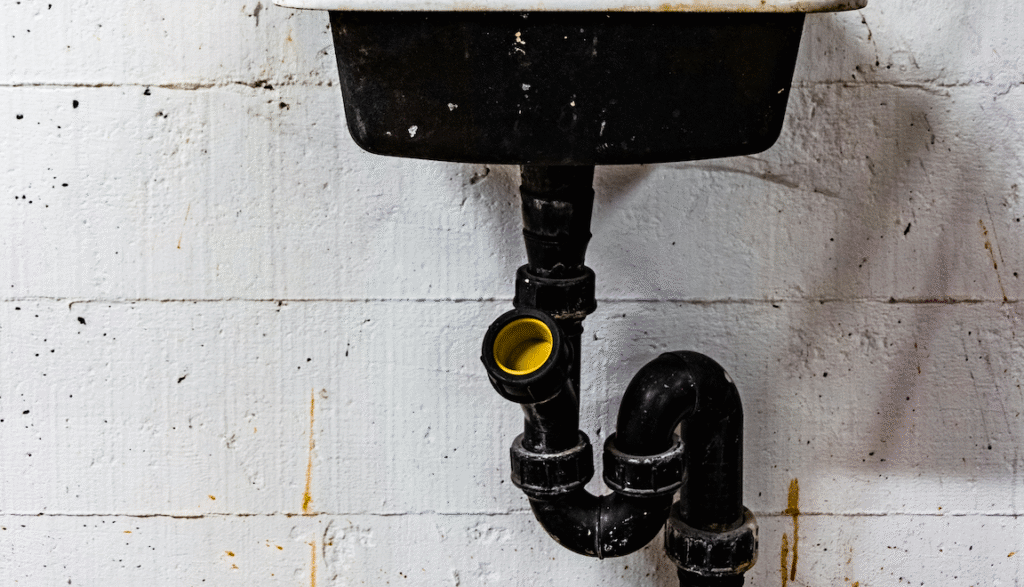
The truth is, most drainage problems don’t happen overnight. They’re the result of gradual buildup — grease, soap scum, hair, food particles — accumulating day after day, year after year. By the time you notice, what’s clogging your drain has been sitting there for months.
A Drain Problem Isn’t Just a Clog — It’s a System at Risk
Many people assume that clearing a drain means the issue is fixed. In reality, a slow drain could be a symptom of deeper trouble. Pipe walls can become coated with residue, reducing flow and increasing strain. Over time, even minor blockages can cause corrosion, leaks, and eventual pipe failure — especially in older homes with aging materials.
When water can’t drain properly, pressure builds. That pressure may force water into joints and seams that were never meant to handle it, leading to moisture damage inside walls or under floors. By then, the repair bill looks a lot different than a routine cleaning.
Professional Drain Cleaning Is More Than Just Unclogging
A thorough drain cleaning service is closer to a diagnostic check than a quick fix. Yes, it removes debris — but it also evaluates the health of the system. High-pressure water jetting clears buildup from pipe walls. Camera inspections reveal cracks, misalignments, or collapsed sections you’d never catch with a plunger or snake.
These tools aren’t just for show. They allow technicians to spot early-stage damage before it snowballs into a serious plumbing issue. A partially blocked drain may still flow — but not for long.
That Faint Smell? It’s Probably Not Just the Trash
Drain problems often announce themselves quietly — a faint odor in the kitchen, a slow gurgle in the bathroom sink, or the lingering scent of dampness near the shower. It’s easy to write these off or cover them up with air fresheners, but those signs usually mean something is brewing deeper down the line.
Recurring odors, especially those that come and go, are often tied to grease clogs, bacterial growth, or standing water somewhere in the system. These issues don’t resolve on their own — and when left alone, they tend to escalate at the worst possible time.
Regular Maintenance Isn’t Extra — It’s Essential
Drainage is one of those systems you don’t notice when it’s working well — which makes it easy to forget entirely. But the moment something goes wrong, it can bring an entire household to a standstill. Routine maintenance is how you keep that from happening.
For most homes, a professional drain cleaning every 6 to 12 months is a smart baseline. That interval might be shorter for restaurants, multi-family buildings, or older properties. Treat it like changing your oil — a small investment to prevent major breakdowns later.
Final Thoughts
Drain cleaning isn’t just about convenience — it’s about protecting your space from invisible threats. When drains function well, no one thinks about them. But when they don’t, every room downstream is at risk.
Taking care of your drainage system isn’t something you do when the water stops moving. It’s something you build into your long-term home care routine. Because often, the most dangerous issues are the ones you can’t see — until it’s too late.