In today’s digital age, selecting the right Business Internet Provider (BIP) is crucial for business operations. A stable, efficient, and cost-effective internet connection not only boosts productivity but also ensures that businesses stay competitive in a fast-paced market. This article explores the key factors businesses should consider when choosing a business internet service provider.
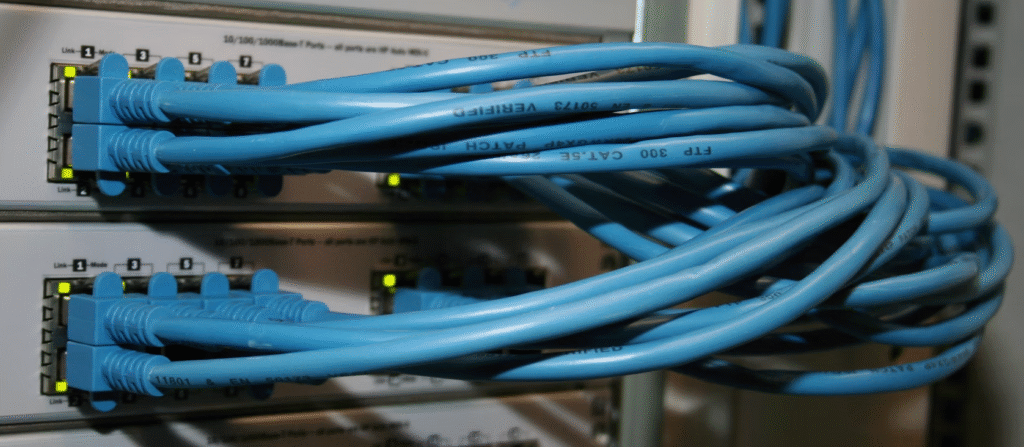
The Importance of Business Internet Services
In the context of digital transformation, businesses are becoming increasingly reliant on internet connectivity. Whether it’s for cloud computing, remote work, or supporting high-traffic online operations, a fast and stable internet connection is at the core of any modern business infrastructure. Choosing the right provider ensures smooth operations and enhances data transmission security, protecting the integrity and confidentiality of business data.
Additionally, the quality of internet connectivity directly affects employee productivity. Employees use a wide range of online tools, software, and platforms daily, such as video conferencing, file sharing, and email. If the internet is slow or unstable, it can lead to work interruptions, wasted time, and even negatively impact customer experience and company reputation. Thus, selecting a high-quality internet service provider is key to improving business operational efficiency.
Key Factors to Consider When Choosing a Business Internet Service Provider
1. Speed and Stability
The speed and stability of a business internet connection are among the most critical factors when selecting a provider. Depending on the size and needs of the business, choosing the right bandwidth ensures that daily operations are not disrupted by network congestion. For industries that require large data transfers (such as e-commerce, creative industries, and finance), high bandwidth and low-latency connections are especially important.
Moreover, the stability of the provider’s network is also crucial. Frequent network outages and unreliable services can have a serious impact on a business, potentially leading to halted operations, lost customers, and revenue losses. Therefore, ensuring that the provider offers high availability and fast recovery times should be an essential criterion when choosing a service provider.
2. Customer Support and Service Quality
A top-tier internet service provider not only delivers a reliable connection but also offers robust customer support. Businesses may encounter network issues during their operations, and timely support can help quickly resolve problems, preventing prolonged work interruptions. An excellent customer service team should respond quickly and solve issues efficiently, ensuring that business network problems are addressed in the shortest possible time.
Additionally, businesses should pay attention to the provider’s technical support. Whether they offer 24/7 support, remote troubleshooting, and dedicated technical advisors are all key factors to assess when considering the quality of service. It’s important to ensure that the service provider can offer flexible solutions tailored to the business’s specific needs.
Types of Business Internet Connections
1. Fiber Optic Internet
Fiber optic internet is a popular choice for many businesses due to its speed and reliability. Fiber connections can offer higher bandwidth, supporting rapid data transfer, making it ideal for businesses that need high-speed connections and large amounts of data transfer (e.g., video streaming, cloud computing, and big data analytics). Its low-latency characteristics also ensure efficient remote work and online collaboration.
Another advantage of fiber optic internet is its high stability. Unlike traditional copper wire connections, fiber networks are more resistant to external interference and signal degradation, ensuring long-term reliable connections. While fiber connections tend to be more expensive, the performance benefits make it the best option for high-demand businesses.
2. DSL and Satellite Internet
For businesses located in remote areas, DSL (Digital Subscriber Line) or satellite internet might be viable options. DSL internet uses existing telephone lines to transmit data. While the speed is relatively slower, DSL can provide an affordable solution for small businesses or low-demand users. Satellite internet provides internet access for businesses in remote or underserved areas, particularly in regions with no other connectivity options.
However, these types of connections come with certain limitations. DSL typically cannot provide the same speed and stability as fiber or other high-speed networks, while satellite internet has high latency, which could affect real-time applications. Therefore, businesses considering these options must evaluate their needs and budget carefully.
Cost and Contract Considerations
1. Internet Costs and Budget
When selecting a business internet service provider, businesses must evaluate their internet budget. Different types of connection plans (fiber, DSL, satellite, etc.) come with varying speeds, stability, and service quality, which affects the pricing. Although fiber internet may be more expensive, it is often a worthwhile investment for businesses that require high bandwidth and low latency.
Businesses should also be mindful of additional costs, such as installation fees, equipment rental charges, and excess data usage fees. Some providers offer flexible pricing models, allowing businesses to adjust their service based on actual usage, helping them control costs effectively.
2. Contract Terms and Flexibility
Business internet service providers typically offer contracts with fixed terms. When signing a contract, businesses need to understand the terms and conditions. Some providers may require long-term commitments, while others offer flexible services with shorter terms or no contract at all. Businesses should choose the service model that best suits their needs.
Additionally, businesses should pay attention to the Service Level Agreement (SLA) in the contract. A good SLA ensures that the service provider will resolve issues promptly and provide compensation if the service fails. Flexible contract terms and clear service guarantees help ensure better long-term protection for businesses.
Future Trends in Business Internet
With the ongoing advancement of technology, business internet services will evolve to include more innovative features. The rollout of 5G technology, the rise of IoT devices, and the continued growth of cloud computing will all have a significant impact on business internet services. In the future, more businesses will rely on ultra-fast, low-latency networks to support large-scale data transmission and online business operations.
Moreover, as businesses increasingly demand flexibility and convenience, internet service providers will focus on delivering more customized solutions. This includes personalized service packages based on business size, industry needs, and budget, as well as enhanced security and intelligent management tools. These future trends will further drive demand for efficient and stable internet services.
Conclusion
Choosing the right business internet service provider is essential to the success of any business. A reliable and efficient internet connection not only enhances productivity but also ensures data security, improves employee experience, and supports sustainable business growth. When selecting a provider, businesses should focus on factors such as network speed and stability, customer support, costs, and contract terms.
With technological advances, the future of business internet will become more intelligent and customized, better meeting the diverse needs of businesses. Whether you are a small startup or a large multinational, choosing the right internet service provider is a crucial step toward ensuring your business stays competitive in the digital age. Therefore, businesses should make informed decisions based on their specific needs, laying a solid network foundation for future growth.