Selling a home isn’t just a transaction — it’s a multi-dimensional decision that involves timing, psychology, market intelligence, and negotiation. For many, it’s the biggest sale they’ll ever make. Whether it ends up being profitable or stressful depends largely on the strategy behind it.
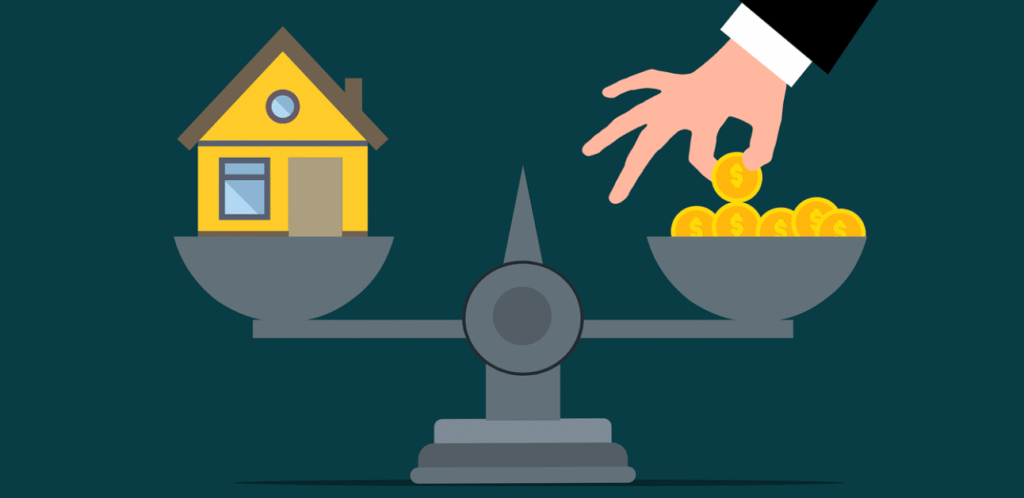
The difference between a smooth sale and a dragged-out ordeal often comes down to preparation. From pricing to staging, from showing to signing, each step plays a role in how quickly your property sells — and for how much.
Pricing Isn’t About Hope — It’s About Hitting the Sweet Spot
Overpricing is the most common mistake homeowners make. It’s easy to anchor to emotional value, renovation costs, or what a neighbor listed for. But buyers don’t care what you spent — they care whether the price aligns with the current market and their expectations.
How to Set the Right Price
Strategic pricing isn’t about inflating numbers for negotiation room. It’s about positioning the home where it attracts real buyers — the ones ready to act. A well-priced home gathers more attention, encourages competitive offers, and shortens time on market. To find the sweet spot:
- Get a professional appraisal: An experienced appraiser can help you understand the fair market value based on factors like location, condition, and recent sales.
- Analyze local market trends: Research what similar homes in your area are selling for and how long they take to sell. This can provide a realistic benchmark.
- Consider seasonal demand: In many markets, prices fluctuate with the seasons. Spring and summer tend to attract more buyers, while the winter months can offer less competition.
Don’t Fear Negotiations
Price isn’t a rigid number. While buyers want to see value, many are willing to negotiate. Setting a fair price from the start invites more offers, which puts you in a stronger position to choose the best deal.
Presentation Sells Before Anyone Ever Walks In
Buyers often decide whether a house “feels right” within the first few minutes of a viewing. And long before that, they’re swiping past listings based on how well a home is photographed and described. In today’s digital age, first impressions are more critical than ever.
Key Elements of Presentation
Staging, lighting, decluttering, and scent control might sound cosmetic — but they’re powerful. A home that feels fresh, clean, and ready invites emotion, and emotion drives offers. Here’s how you can optimize your property’s presentation:
- Declutter and depersonalize: Clear surfaces and remove personal items like family photos. Buyers need to imagine themselves in the space.
- Stage key rooms: If you can afford it, staging key areas like the living room, kitchen, and master bedroom can help buyers visualize the space’s full potential.
- Maximize natural light: Open curtains, trim trees that block sunlight, and use strategically placed mirrors to make spaces feel brighter and more open.
- Enhance curb appeal: First impressions start before they step inside. Simple fixes like a well-maintained lawn, clean driveway, and fresh exterior paint can set the tone for the entire tour.
A Picture Is Worth a Thousand Words
Consider hiring a professional photographer to take high-quality images. Good photography not only highlights your home’s best features but also ensures your listing stands out in the crowded online marketplace.
A Good Agent Isn’t Just a Messenger — They’re Your Deal Strategist
While selling solo might save commission, a seasoned agent brings more than just listing experience. They know how to screen buyers, navigate price negotiations, and keep deals from falling apart in the final hour.
The Value of a Strong Agent
A strong agent protects your interests through every step — setting expectations, handling paperwork, negotiating closing timelines, and keeping everything on schedule. Here’s why you shouldn’t skimp on an experienced agent:
- Market knowledge: A well-connected agent can help you assess your local market and recommend strategies to attract the right buyers.
- Negotiation skills: An agent’s ability to counteroffer and advocate for you can significantly impact your sale price.
- Expertise in handling complexities: From inspection issues to contingencies, an experienced agent can resolve roadblocks that might cause a deal to fall apart.
While the agent will manage much of the transaction, your involvement in key decision-making moments is still essential. Know when to trust their expertise and when to rely on your judgment.
Timing Isn’t Everything — But It’s Close
You can’t control the market, but you can understand how to work with it. Selling in the right window — whether it’s a season of high demand, a dip in mortgage rates, or before new inventory floods the market — can influence both price and speed.
Understanding Market Cycles
- Seasonality: Spring typically brings more buyers due to favorable weather, summer vacations, and families wanting to move before the school year starts. However, winter can offer less competition, as fewer homes are listed during the colder months.
- Economic indicators: Mortgage rates and economic policies, such as tax incentives or government policies, can affect buyer behavior. Staying aware of these trends can help you time your listing for optimal market conditions.
- Market saturation: In some markets, a “buyer’s market” (more homes for sale than buyers) can work against you. Understanding the ebb and flow of inventory can help you position your listing at the right time.
Acting Fast Is Critical
Once you’ve decided to sell, waiting too long to list your home can cost you. If a market change or interest rate hike happens while you’re delaying, it can reduce your pool of potential buyers.
Selling Is Just One Chapter in a Larger Financial Picture
The sale of your house isn’t the end. It’s a bridge — to your next investment, a move across the country, or a change in lifestyle. That’s why smart sellers plan beyond the transaction.
Plan for Post-Sale
- Understand tax implications: Depending on your home’s sale price and how long you’ve lived in it, you could be liable for capital gains taxes. Consult a tax advisor to prepare for any potential tax bills.
- Factor in moving costs: The logistics of relocating can quickly add up. Whether it’s renting a truck, hiring movers, or storing belongings, budgeting for these expenses is crucial.
- Prepare for your next home: If you’re buying a new home, ensure you’re financially prepared for the down payment and closing costs associated with your next purchase. Many sellers use the equity from their sale as the down payment on a new home, so having a clear financial picture is essential.
Strategize Your Next Investment
If you plan on buying another property, use the sale as an opportunity to reassess your needs. Whether it’s downsizing, upgrading, or moving to a new neighborhood, think strategically about your next step. Selling can be a springboard to better financial freedom if you plan correctly.
Final Thoughts
Selling a house is a delicate balance of strategy, timing, and preparation. The emotional and financial stakes are high, and a well-executed sale can lead to the next chapter in your life with greater ease and profit. From setting the right price to staging for success, every detail matters. With careful planning, expert guidance, and the right timing, you can ensure your home sale is a smooth and rewarding experience.