Car insurance is one of the most common forms of coverage people encounter. On the surface, it seems straightforward — a legal requirement, a necessary cost of owning a vehicle. But beneath the paperwork is a financial contract built entirely around risk.
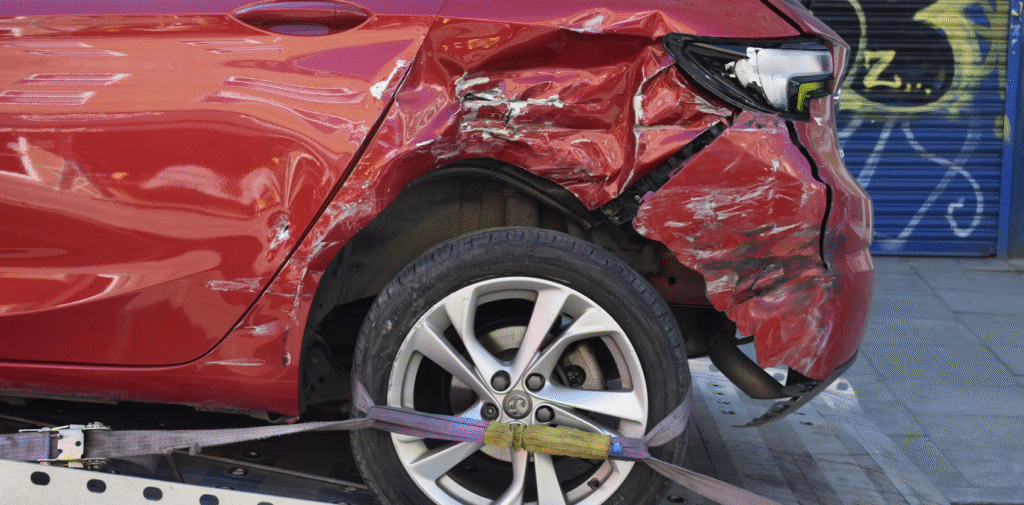
Every premium payment is a reflection of calculated probability. It’s not just a purchase, but a negotiation: how likely is something to go wrong, and how much would it cost if it did? Understanding how this works means looking beyond the price, and into what, exactly, is being insured — and why.
What You Pay Reflects More Than the Car — It Reflects the Risk Profile
Two people might drive the same car, in the same city, with similar coverage — yet end up with different premiums. The reason isn’t the car. It’s the driver, and the risk signals they carry.
Insurers analyze a wide range of variables: age, gender, driving history, claim record, geographic location, and even credit score. These inputs are processed through algorithms to create a risk score. Pricing is less about judgment, and more about patterns in the data. The higher the projected risk, the higher the cost.
The List of Coverages Is Long — But Core Claims Are Concentrated
Auto insurance policies offer a range of options: liability, collision, comprehensive, theft, glass damage, fire, and more. While the menu looks expansive, real-world claim data shows that most payouts come from just two sources: liability and collision coverage.
Liability covers damage to others — people, property, or vehicles. Collision handles damage to your own car in an accident. These two protections form the core of meaningful auto coverage. The others may be useful in specific scenarios, but their value depends on individual use cases and risk tolerance.
The Waiver of Deductible: A Small Clause with Real Impact
Policy add-ons are easy to overlook, and many drivers skip over them without much thought. One such feature — the waiver of deductible — can make a notable difference in certain scenarios.
Most policies require the insured to pay a portion of repair costs out of pocket. A deductible waiver removes that financial responsibility, allowing the insurer to cover the full claimable amount. In high-cost or multi-vehicle incidents, this can significantly reduce unexpected out-of-pocket expenses.
Claim History Affects Future Pricing — Sometimes Sharply
Filing a claim is more than a one-time event. It becomes part of your driver record and may influence how you’re evaluated going forward.
Multiple claims, especially for minor damages or fault-unclear accidents, may flag you as a higher-risk policyholder. These signals feed directly into the pricing model, often leading to increased premiums on renewal. The system isn’t punitive — it’s responsive to long-term behavioral trends.
The Real Test of Insurance Is the Claim Process
Many drivers assume that making a claim is as simple as calling the hotline. In practice, outcomes are shaped by a range of small, critical decisions made immediately after the incident.
Timely photo documentation, accurate incident reporting, clear liability determination, and compliant repair procedures all affect how — and whether — the claim is paid. A policy is only as strong as your ability to navigate the process. When things go wrong, clarity matters more than coverage limits.
Final Thoughts
Car insurance isn’t just about fulfilling a legal requirement. It’s a tool for transforming unpredictable, high-cost events into structured, manageable risks. This is not just protection — it’s strategy.
If driving is part of everyday life, then insurance decisions should carry the same thoughtfulness as any other form of risk management. Understanding what you’re buying, and how each clause functions in real-world terms, is key to making insurance work as it’s meant to: a safety net you can rely on when it matters most.